
There is something especially awful about hearing a 70 year old woman whine – I hear enough of it from my 7 year old. Like gasoline to a fire, it is a surefire way to ignite those fight or flight emotions.
But this time, I was far enough away when it happened so I could think more logically about it, question why it made me so angry, what I needed, and why I needed the situation to be handled better.
First, why it triggers fight or flight (for me):
#1 – It is triggering some past yuck of having an emotionally immature parent.
#2 – It is a hella f*ing manipulative attempt to control.
#3 – It undermines the other person in the conversation to cater to them. (A nicer way of saying #2)
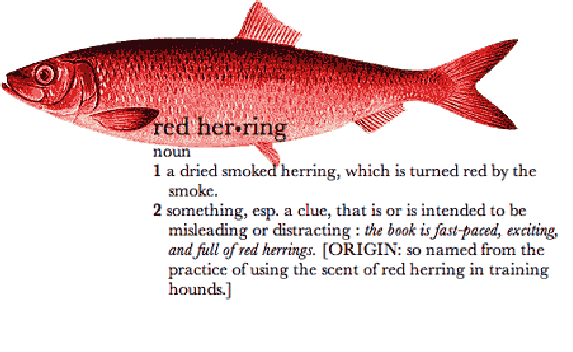
#4 – It is a red herring for what is happening in the conversation, it is taking the conversation away from the issue.
Ok, so here is the trickiest part… the thing I needed to recognize in this situation: the whining was simply a reaction and not malicious. But it was also all of those things above, so it’s not appropriate and warrants a response.
Whining can feel like a safe method to demonstrate a feeling of hurt or fear in the face of rejection or lack of control. It is masking some uncomfortable feelings and fears.
Let’s use an example: A parent is trying to advocate for consent and promoting that the child can say no and not giving hugs when they don’t want to, then grandparent whines and fake cries in a playful way that the child has said no.
What dynamics are happening?
1) grandparent is *being playful* trying to show they love the child, they love being affectionate, that they may feel hurt or rejected
2) the grandparent has positional power over the grandchild (including: age, language, freedom, financial, relational, cultural, etc…)
3) the grandparent is undermining the parent’s role and their values (to attempt to give the child a voice and autonomy over their body)
4) the grandparent is undermining the concept of consent, promoting that you can try to change the other person’s mind by emphasizing your needs over their own
4) the grandparent is teaching the child that whining is an appropriate response to an undesirable outcome
5) if the child changes their mind and decides to hug the grandparent (either wanting to or begrudgingly), they are learning the needs and comfort of the other person are more important than their own.
6) if child continues to resist and grandparent continues to push, this might result in lack of trust or safety in the relationship.
So what is a person to do? Double down!
Ideally from a place of kindness and understanding so it can land well for all those involved.
Approach # 1: Respond to the child
- Affirm their voice (you said no and that’s your choice / no means no / your words matter)
- Affirm their needs over someone else’s comfort (your needs for space, not to be touched, not feeling in the mood are important and it’s good to listen to your body)
- Affirm the boundary and that boundaries are healthy (you told them no and it’s important to have boundaries in healthy relationships)
Approach # 2: Respond to the grandparent
- Restate the value (we’re practicing: consent/ autonomy/ boundaries/ safety/ healthy relationships)
- Advocate for the child (their decision matters and you can show you care by respecting their decisions)
- Express the need (to model consent, to demonstrate respect, etc.)
- Unpack their negative response. (your behaviour undermines the child’s needs and boundaries)
- Name your parental boundary and hold them accountable (we’re firm on voice + choice; this behaviour is not acceptable; I need you to notice this and stop yourself from this response in the future) *use this approach with caution and try to come from a place of kindness*
Option 3: Combo of both
- Select some from each of the methods, careful not to overwhelm everyone involved with too much parental righteousness.
Addressing it on the spot:
- If done well, doing this in front of both the grandparent and child: 1) validates the child, 2) holds the grandparent accountable, 3) affirms the values.
- Caution: beware of the thin line into passive aggressive territory! Tone matters!
Addressing it privately after:
- Can provide opportunity for more discussion and shared understanding
- Can be face saving, minimize shaming quality or feeling passive aggressive.
- Caution: might be met with higher resistance, minimizing or dismissing the impacts.
Why this is hard work
You’re managing your own triggers, you’re managing power dynamics, your dealing with crossed boundaries and issues around values.
You also managing other people’s feelings and triggers.
Why Kindness + Understanding?
If we can strive for compassion, kindness and understanding, it effects our tone and our ability to act non-defensively. We can be sad and angry and have our own feelings and it can be important to express those. But remember: if we are trying to challenge a negative behaviour, it’s helpful to not shame and blame, because accountability is always easier when it’s met with compassion.
All the best,

* = we’re giving the benefit of the doubt to assume there is a good intention. This can be a helpful mindset if you’re striving for productive conversations.
 Nicole Robidoux